
Built by Travelers, For the Travelers
The Story of Matador
From an innovative pocket blanket to a globally recognized travel gear brand — this is the story of Matador.

Built by Travelers, For the Travelers
The Story of Matador
From an innovative pocket blanket to a globally recognized travel gear brand — this is the story of Matador.
How It All Started: The Genesis of Matador
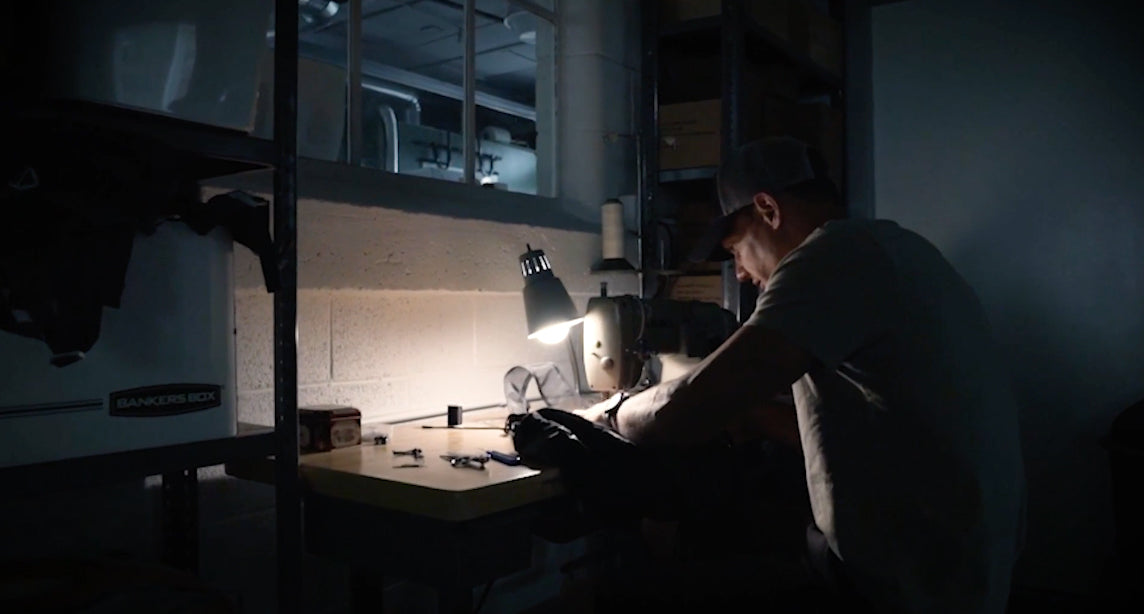
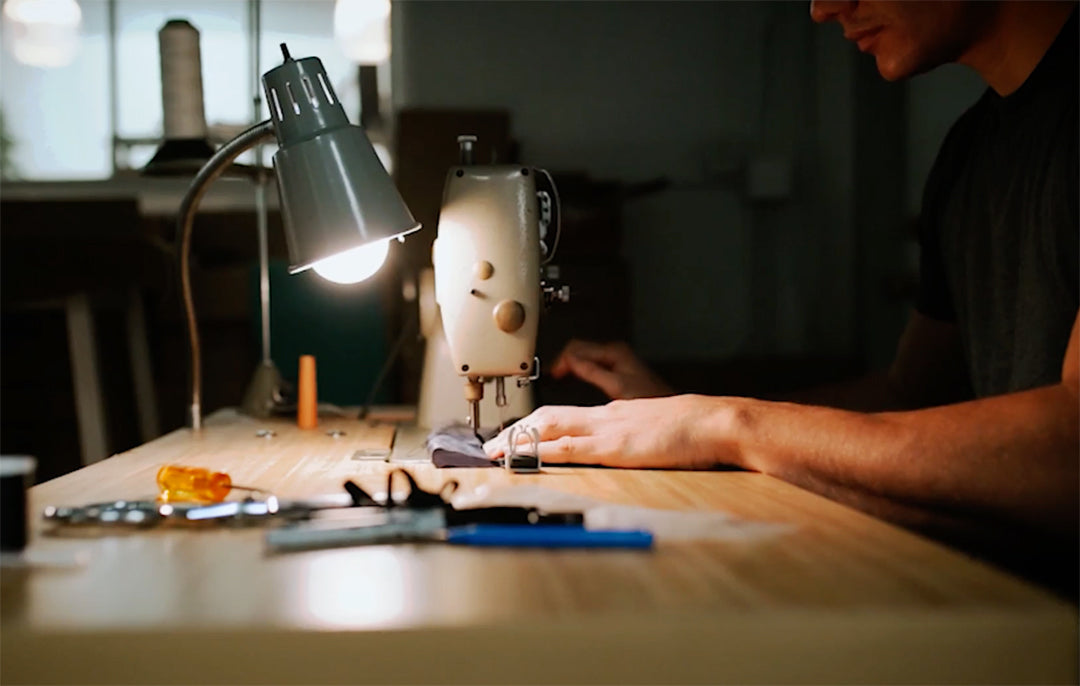
Matador didn’t start as a brand — it started as a side project. Our founders, Chris and Jaime, were two product designers who loved to travel. When they couldn’t find gear that met their own needs, they started making it themselves.
One experiment, a few prototypes, and a lot of plane tickets later, Matador has grown into what it is today — a travel gear company built by travelers, for the travelers.
Get the full lowdown on the story of Matador with our Founder & CEO, Chris Clearman.
Q: How did Matador start?
Matador was started as an experiment. As a product designer, I knew how to take a product from concept to reality and make it a mass-produced good, but I didn’t know the second half — how to market and sell. I took the simplest idea in my notebook — the Matador Pocket Blanket — and brought it into mass production to learn the second half of the process. I didn’t know at the time that would turn into a whole brand 12 years later, but it was essentially a learning exercise all the way through.
Q: Tell us about your first product and why you chose to make it.
The first product was the Matador Pocket Blanket — a wallet-sized seating surface for four that folds out into a waterproof surface. Nothing like it existed at the time. I chose it because it was the simplest idea in my notebook, and I wanted to learn. It was a soft-goods product, so no huge upfront tooling. I launched with personal savings while moonlighting at my corporate job — no time, no money, not many resources. With soft goods, you pay for inventory instead of tooling, so there was one less barrier to entry. The product worked and went viral within two weeks of being available.
Q: What did those early days look like
Chaos. I lived in a ~360-square-foot house in Redwood City, California. A truck delivered pallets to the street in front of the house. No forklift, nowhere to put it. I carried boxes inside, stacked them along walls, put some on the back deck under a tarp, under the bed — everywhere. I thought I’d never sell it and didn’t know what I was doing. I did a guerrilla PR campaign, and it worked. Sales started pinging my phone until I gave up on notifications. I had to go home and ship everything — three days of packing and dropping off carloads at the local post office. That’s when I realized we had to turn this into something. We brought on a distribution center, ordered more inventory, and prepared better for next time.
Q: Where did the name Matador come from?
It comes from the original blanket. I was testing it in a park in San Francisco, pulled out the little blanket because the grass was wet, and a friend joked I was like an impromptu Matador with a blanket I brought everywhere. We named it that, and here we are 12 years later with the same name.
Q: How did your love of travel shape the brand and product design?
Travel is what shaped everything about this brand. Early on, the Pocket Blanket had gone viral, but I wasn’t passionate about blankets. My passion was adventure travel, and I had product development experience, so we morphed the brand into something that matched that. My own travel experiences pushed me in that direction and continue to guide every product we make. We design for real adventure travel — the kind where your gear has to work hard, pack small, and never fail. I test prototypes on my own trips, and that firsthand experience gives me confidence that when we put the Matador name on something, it’s built to perform out there.
Q: What does travel mean to you, and why build a brand around it?
Travel is eye-opening and something everyone with the means should pursue. It gives insight into how other people live and alternative ways of living. For me, travel means adventure, pushing yourself, risk, and encountering new things that might make you uncomfortable. Ten to twelve years ago there weren’t brands specializing in that. Travel equipment wasn’t built for the task, so we used outdoor equipment to achieve our travel goals. That’s where I found the opportunity — take outdoor technologies and tune them for travelers.
Q: Has that passion helped you make better products?
Absolutely. When we build a prototype, it goes into my bag and out on a trip. Travel is space-sensitive, so everything you bring has to deliver value. If it fails, you don’t have backups. My personal travels inform almost everything about this brand.
Q: What’s your favorite product?
All-time favorite is the Soap Bar Case — it’s a magic little pouch I use all the time. My current favorite isn’t out yet. Of what’s out, I really love our Sleep Mask — it’s a game changer on long trips, changing hours, and sleeping in tents.
Q: How do you decide what products to make?
There isn’t a single process. Sometimes we finally solve a long-standing issue in a way that suits our audience — like the Sleep Mask. Sometimes it’s something completely new—like the Soap Bar Case: a fabric bag that’s completely waterproof but lets the soap dry through. That started from developing coatings — waterproof with vapor transmission that didn’t get clogged with soap. We found that opportunity in fabric development and reverse-applied it to a soap bar case. Sometimes we just see that we can do something better than what’s out there — like new travel packs. We ask if the feature set is right for our audience, if it carries as comfortably as we require, and if everything comes together in one package to be the best for our person. When we think we can do it better for our traveler, that’s a big flag to pursue it.
Q: When someone looks at Matador, what should their key takeaways be?
When you see a Matador product, I want your first response to be, “Oh, that’s nice.” You should see that it was caringly designed, feel it in the materials, and have everything just work — nothing confusing or uncomfortable. I want people to understand how much care goes into every product we make.
We’re doing everything we can to make the best product possible. Everything we produce is high-quality with attention to detail. I hope that shows in the design, photo assets, packaging, and user experience.
If a product doesn’t make you want to buy more, we didn’t do our job. It has to be the best product for you and the best on the market.
Q: Any concepts you want to talk about from a brand or product design standpoint?
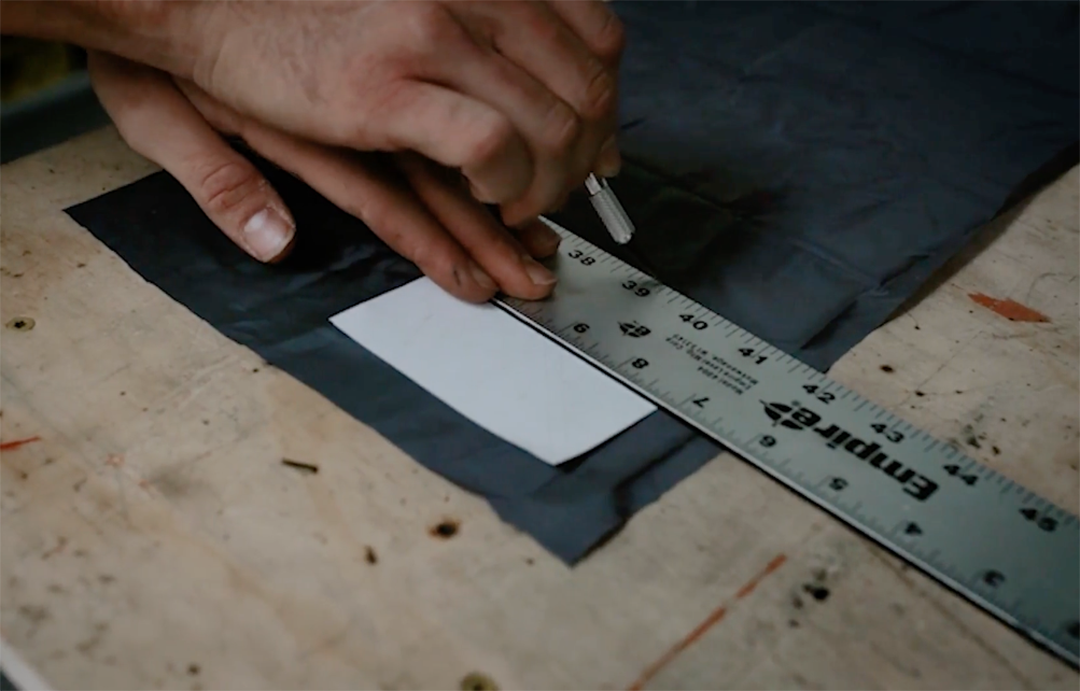
Matador is a design house that also sells product, distribution, and marketing. Everything we build starts here — CNC, sewing, 3D printing. We are a product-first company — founded and run by product designers.
Q: Why is being product-first and hands-on so important?
We do our own product development. Many brands farm out patterning to a factory sample room or white-label products from trade shows. That makes for boring products with no real innovation or value add. We’re trying to make the absolute best product for a specific use case and person. Generic development or putting a logo on something doesn’t accomplish that, so that’s not an avenue we’d explore.
Q: Talk more about matador's growth as a brand
We went from a single product — the Matador Pocket Blanket — to 60+ independent products and 100+ SKUs. We’ve done it without funding and without crowdfunding—completely independent and bootstrapped. It’s a feeling of independence common among travelers. We’re not trying to make as much cash as possible with VC funding. We want to build great products. Getting here without funding and competing with the big guys hasn’t always been easy.
Q: How did you push through challenges?
There have been many — COVID, changing economic situations. Those killed off a lot of competition. Being independent with no funding and no debt meant we weren’t leveraged. We did what we needed to survive and invested during slow times in developing things for the future. That paid off when the market came back.
Q: How do you see Matador growing in the future?
We’ve got big stuff coming up. I think next year (2026) will be huge. There’s a lot changing that I may not be able to speak to yet. We have no plans to shy away from travel. We are a travel brand first and foremost, doubling down to serve our specific audience even better.
Q: Who is that audience?
True adventure travelers. Not just trips like Disney World or a cruise. People going places to immerse themselves and experience things that may be uncomfortable for some — that’s the travel we enjoy and build gear to enhance. It’s a growing market. If you want specifics, we’re serving people in the prime travel period of their life — maybe a twenty-something with a first job and some vacation time — trying to get the most out of two weeks.
Q: As you grow the Matador brand, how do you hold onto your core brand identity?
We try to do things right and treat people fairly. We make great products people love. The values haven’t changed from day one to now. Visually the brand has changed — even in the last few months — but the values remain the same.
Q: What are those values?
Treat people well — factory teams, our office, everyone we interact with, including customers. Make high-quality products worth spending money on that last a long time, and make them responsibly. We use recycled materials when we can, power our office with wind energy, and we were early with the PFAS free coatings on fabrics. These are non-negotiable responsibilities we uphold.
Q: Where do you want to see the brand in ten years?
We have momentum and big upgrades coming — product line, branding, everything. In ten years, I’d like to see this long-term plan unfold and be effective. We’ll be a bigger version of this brand, still making great products, still serving the core traveler, and still upholding our values — at a much larger scale.

On all orders over $99

Quick order processing

Within 30 days of purchase

Warranty and repairs